
See how BridgeAID’s bridge monitoring system works
A walkthrough of AI-assisted Bridge Weigh-in-Motion and a real-time Digital Twin, built and validated on the Monostori Bridge (Komarom, Hungary/Slovakia).
If you have questions about the technology, deployment options, or a specific bridge pilot, we are happy to discuss them, contact us:
Class A
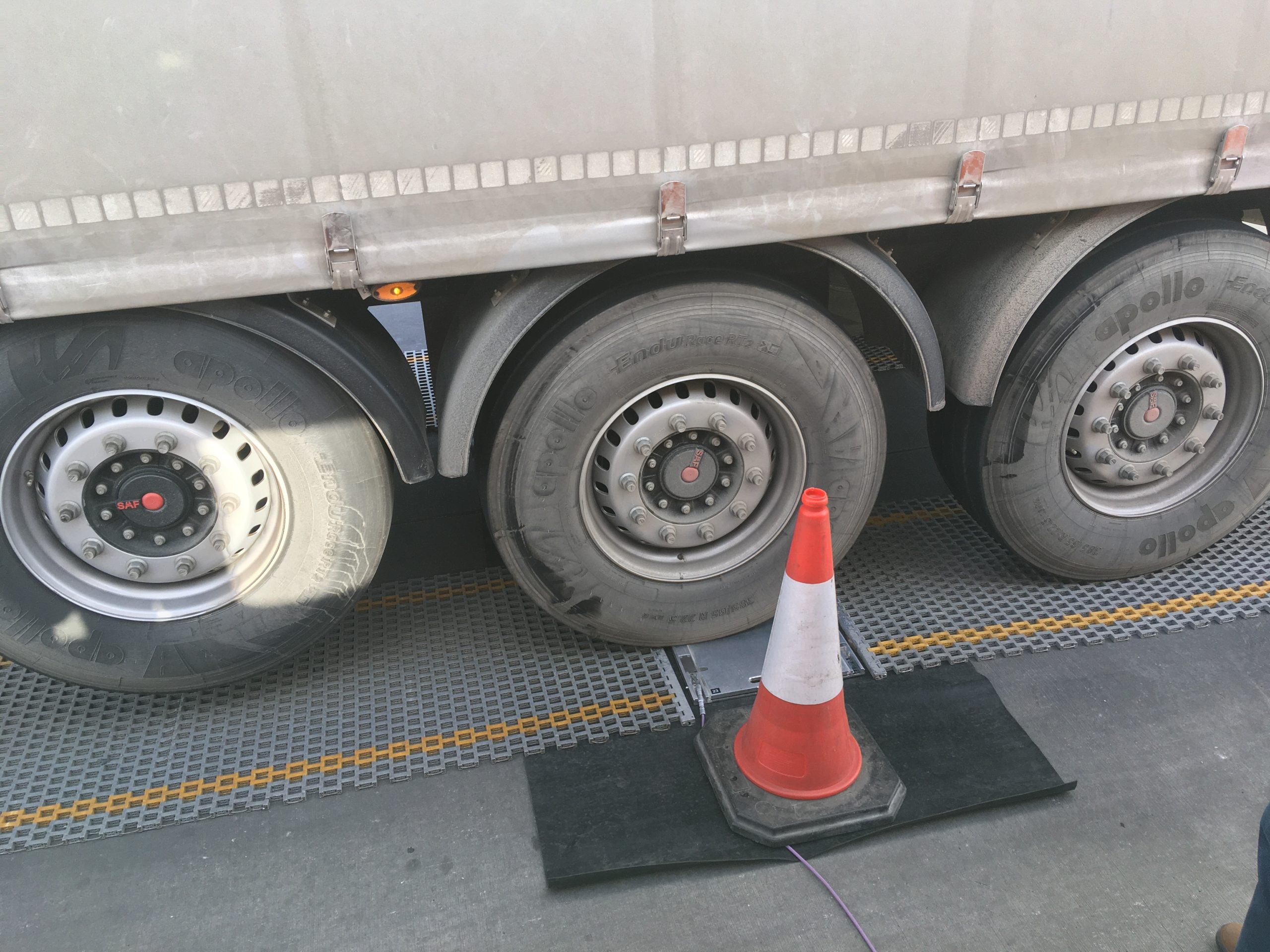
COST 323 accuracy for gross weight, axle group, and heaviest axle, verified against 100 statically weighed reference vehicles
Komarom
first deployment: Monostori Bridge, Hungary/Slovakia border
24/7
monitoring. Sensors don’t take vacations.
Built and calibrated on a real bridge
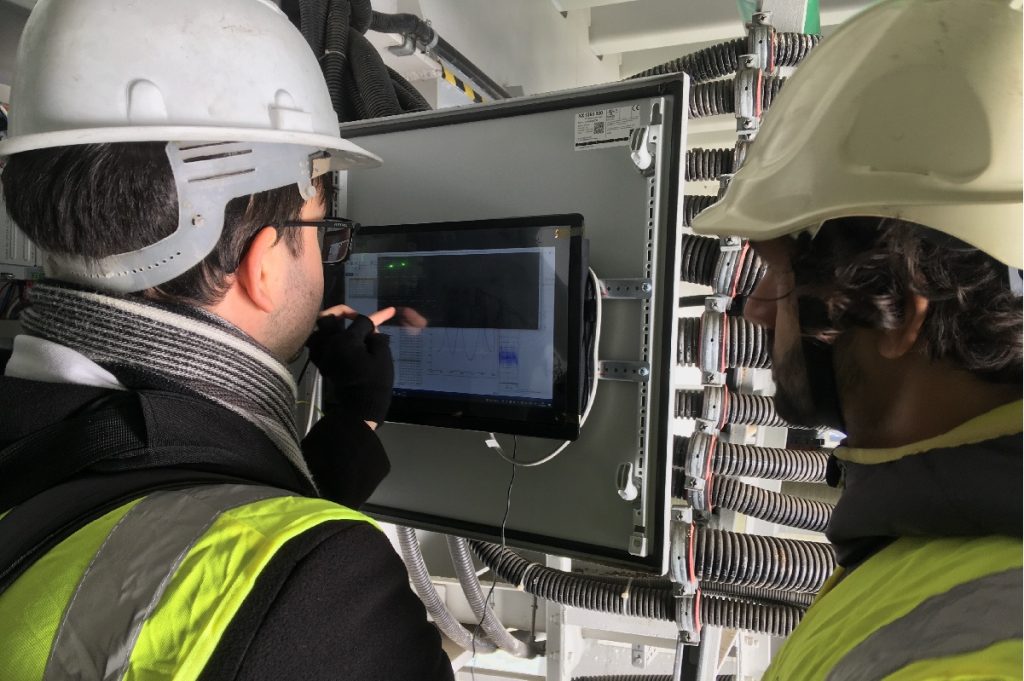
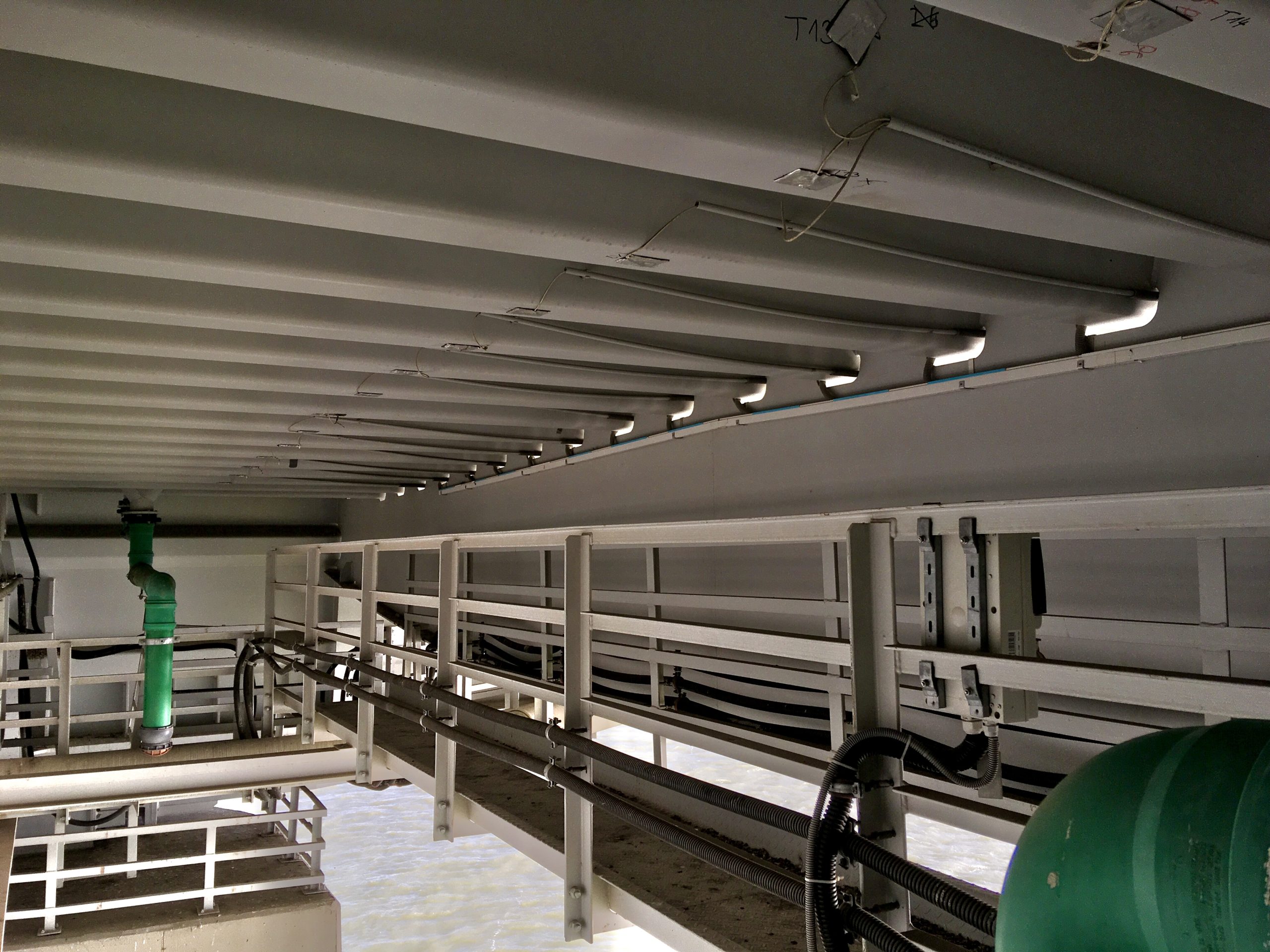
Sensors installed directly on the Monostori Bridge structure, validated against static reference weighing, and calibrated on site.
Service level 1
AI-assisted Bridge Weigh-in-Motion
Real-time vehicle load and traffic data measured directly from the bridge structure. No lane closures, no roadside weigh stations. Class A accuracy under COST 323, verified against 100 statically weighed reference vehicles, improving over time via AI.
Service level 2
Real-Time Digital Twin
A continuously updated virtual replica of the bridge, designed to turn sensor data into renovation and maintenance priorities, moving from once-a-decade inspection toward minute-by-minute insight.
Academic background
Our founders’ previous academic publications on the topic.
- Szinyéri B., Kővári B., Völgyi I., Kollár D., Joó, A. L.: Bridge influence line identification using convex programming from Bridge Weigh-in-Motion strain signals, ENGINEERING STRUCTURES 365: 123158 (2026), DOI: 10.1016/j.engstruct.2026.123158
- Szinyéri B., Kővári B.: Handling data loss caused by strain gauge failure in Bridge Weigh-in-Motion systems using multivariate time-series linear regression, NEURAL COMPUTING & APPLICATIONS 38: 6 Paper: 161, 16 p. (2026), DOI: 10.1007/s00521-026-11895-6
- Szinyéri B., Kővári B., Völgyi I., Kollár D., Joó, A. L.: A strain gauge-based Bridge Weigh-In-Motion system using deep learning, ENGINEERING STRUCTURES 277: 115472 (2023), DOI: 10.1016/j.engstruct.2022.115472
- Szinyéri B., Kővári B., Völgyi I., Kollár D., Joó A. L.: Mélytanulás alapú tengelysúlybecslés nyúlásmérő bélyegek adatai alapján, MAGÉSZ ACÉLSZERKEZETEK 19: különszám pp. 58-65., 8 p. (2022)
Ready to see what this looks like for your network?
Select a bridge, a network, or a challenge you are already working on, and we will show you what real-time data would actually reveal.